And How to Make Yours Safer, Cheaper and Smarter
I still remember loading up the car with three kids and a mile-long packing list, wondering if I’d completely lost my mind thinking I could do this on my own. Spoiler: I hadn’t. That trip became one of our best summers ever. And apparently, more families than ever are having that same moment of “should we drive or should we fly?” this year — and overwhelmingly landing on drive.
So why are so many families choosing the road over the sky?
The numbers are honestly kind of wild. AAA‘s 2026 travel outlook found road trips are the single most popular vacation type Americans are planning this year, ranking ahead of both beach vacations and big-city getaways. Hilton’s 2026 trends research says 71% of Americans plan to drive on their next vacation, and 76% of car travelers say they simply prefer the freedom of the road.
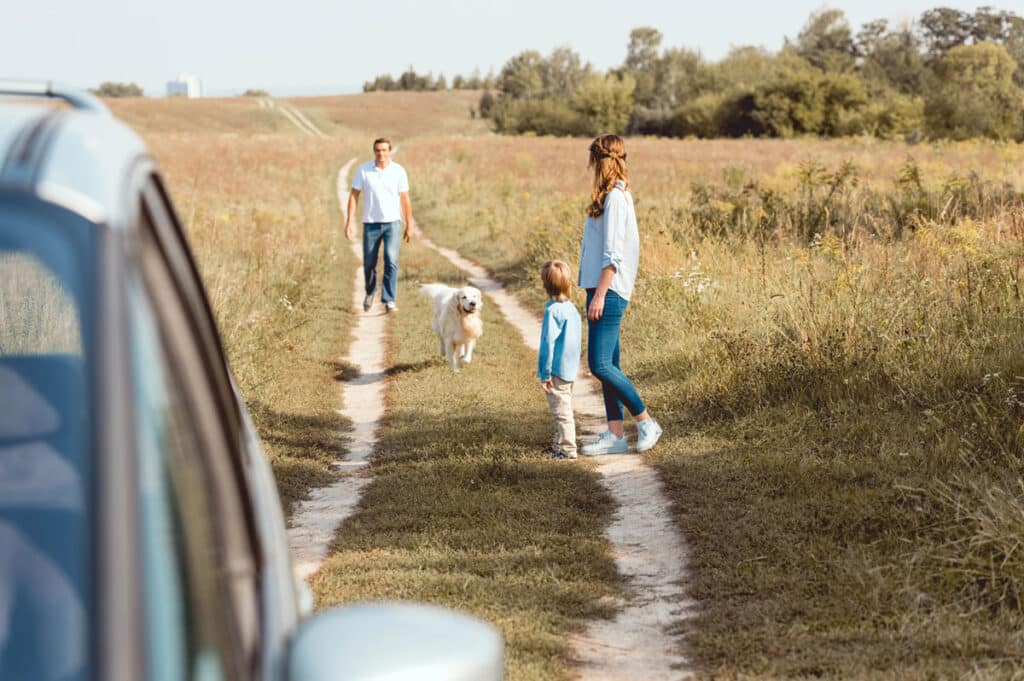
That tracks. When you’re traveling with kids, spontaneity isn’t a luxury — it’s survival. Being able to stop when someone needs a bathroom, a snack, or just five minutes to run around a rest stop parking lot? That’s not a bonus feature. That’s the whole trip working. Sometimes it’s just darn fun. Years after our last summer road trip — we did it three years in a row — our kids asked if we could do another one. They had fond memories of the trip and all of our fun, or at least interesting stops.
Cost is a big piece of this too. Airfare has climbed — domestic round-trip tickets were running north of $600 by spring 2026 — and for a family of four or five, that adds up fast before you’ve even touched a hotel bill. Driving, by comparison, keeps costs relatively fixed no matter how many kids you pile in the back seat. That’s a pretty compelling reason when you’re the one holding the family budget.
Safety First (Because I Will Never Not Say This)
Here’s the thing about road trips: the excitement of the open road doesn’t cancel out the basics. If anything, longer trips mean more hours where car seat mistakes matter more, not less.
Before you go, run through this:

- Check your car seat installation. It’s still true that roughly 3 out of 4 car seats are used incorrectly, and long trips are not the time to find that out the hard way. If it’s been a while, get a free check from a certified Child Passenger Safety Technician before you leave.
- Know the laws for every state you’ll pass through. Car seat laws vary state to state, and just because you cross a state line doesn’t mean the safest practice changes — even if the legal minimum does.
- Skip the puffy winter coat in the car seat, even for early morning starts in the mountains. Bulky coats compress in a crash, which means loose straps right when you need them tight.
- Secure your loose stuff. Snack crates, tablets, water bottles — anything not buckled in becomes a projectile in a sudden stop. Keep it light, keep it strapped down when you can.
- Don’t drive drowsy. It sounds obvious until you’re six hours into a nine-hour day and the exit for the hotel is still 40 minutes away. Trade off drivers if you have one, and build in actual overnight stops instead of pushing through.
Now, Let’s Talk Money — Fuel Savings That Actually Matter
Gas prices have been climbing again this year, so a few small habits can meaningfully change what your trip costs:
- Slow down. Fuel efficiency drops fast above 60-65 mph. That “get there faster” instinct actually costs you at the pump.
- Keep your tires properly inflated. Underinflated tires create drag, and drag burns gas. Check them before you leave, not after you notice the car “feels off.”
- Use a gas app. Apps like GasBuddy show you real-time prices along your route so you’re not stuck filling up at the one overpriced station right off the exit.
- Pack a cooler instead of eating out every stop. Beyond the obvious savings, it also means fewer unplanned detours hunting for food when everyone’s hangry.
- Combine errands with fuel stops. Fill up when you’re already stopping for a bathroom break or stretch — not as its own separate stop that eats into drive time.
- Skip the roof cargo box if you can. It adds wind resistance, which quietly drains your fuel economy over hundreds of miles.
Why the End of Summer Might Be Your Best Window
If your summer got away from you and you haven’t planned anything yet, don’t panic — late summer might actually be the smart move, not the backup plan.
National parks and popular destinations thin out once school schedules pull families back home in early-to-mid August, which means shorter lines, easier bookings, and a little more breathing room at rest stops and hotel pools (which, by the way, 63% of road trippers say are basically essential for reasons every parent understands). Gas prices, which tend to spike around Memorial Day and July 4th travel surges, often start easing once that peak demand passes. And the weather, especially in the mountain west, tends to be more stable — fewer of those sudden afternoon storms that can turn a scenic drive into a white-knuckle one.
There’s also just something nice about squeezing one more adventure in before the routine of school pickup lines and homework takes back over. Kids remember these last-minute trips. I promise you will too.
Whether you’re driving three hours or three days, the fundamentals stay the same: check your safety basics, pack smart, watch your fuel habits, and give yourself grace for the chaos that inevitably comes with a car full of kids. It’s worth it. It always is.
By Amie Durocher, Creative Director at Safe Ride 4 Kids and certified CPS Tech since 2004
Copyright 2026 Safe Ride 4 Kids. All rights reserved. You may not publish, broadcast, rewrite or redistribute this material without permission. You are welcome to link to Safe Ride 4 Kids or share on social media.


